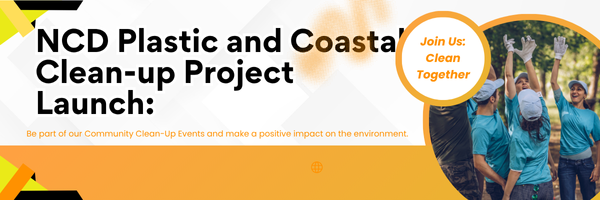
Plastic pollution is a significant environmental and public health issue for the coastal villages surrounding Port Moresby, Papua New Guinea. Despite contributing less than 1.3% to global plastic waste, Papua New Guinea faces severe consequences due to its reliance on marine ecosystems for food security and economic stability.
Scope of the Problem
Papua New Guinea generates approximately 282 tonnes of plastic waste daily, with an estimated 246 tonnes entering the marine environment. This pollution threatens marine biodiversity, disrupts fisheries, and poses health risks to communities along the coastlines. The accumulation of plastic waste on beaches, in rivers, and within mangrove ecosystems is particularly evident in urban areas like Port Moresby.
Community Impact
Coastal villages such as Vanagi, Vabukori, Pari, Tatana, and Hanuabada have been directly affected by plastic pollution. Residents report declining fish stocks and health concerns due to contaminated marine environments. In response, awareness programs have been conducted, including screenings of the documentary "A Plastic Ocean," to educate communities about the dangers of plastic waste.
Initiatives and Solutions
Efforts to combat plastic pollution involve both local and international partnerships. The Conservation and Environment Protection Authority (CEPA) has launched a five-year plan (2025–2030) aiming to reduce plastic waste by at least one-third by 2030. This plan includes strengthening regulations on single-use plastics, enhancing waste management infrastructure, and engaging communities in cleanup activities. .
Challenges Ahead
Despite these initiatives, challenges remain. Limited recycling facilities, inadequate enforcement of existing regulations, and the high cost of waste management infrastructure hinder progress. Moreover, the influx of plastic products through trade and tourism continues to exacerbate the problem.
Addressing plastic pollution in Port Moresby's coastal villages requires sustained commitment, community engagement, and international cooperation to implement effective and sustainable solutions.